
Jumper’s Knee vs. Runner’s Knee: Understanding the Difference
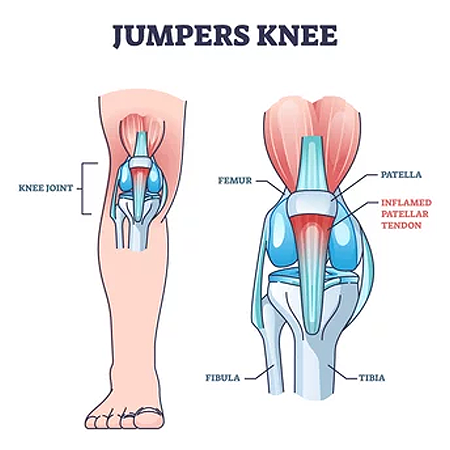
Knee pain can interfere with sports, exercise, and everyday activities, but not all knee conditions have the same cause. Jumper’s knee and runner’s knee are two common problems that affect active individuals. Although both can cause discomfort around the knee, they involve different structures and may require different approaches to care.
At Ishitani Health Center, understanding the source of knee pain is an important step toward choosing appropriate treatment. Chiropractic care may help address contributing movement issues and support a comprehensive approach to musculoskeletal health.
What Is Jumper’s Knee?
Jumper’s knee, also called patellar tendinopathy, affects the tendon connecting the kneecap to the shinbone. It commonly develops from repetitive jumping, landing, and other activities that place repeated stress on the patellar tendon.
People who play basketball, volleyball, and other jumping-intensive sports may experience pain just below the kneecap, particularly during jumping, squatting, or climbing stairs. Symptoms can develop gradually and may worsen when training demands exceed the body's ability to recover.
What Is Runner’s Knee?
Runner’s knee, commonly known as patellofemoral pain, involves pain around or behind the kneecap. It can occur in runners, cyclists, and people who frequently perform squats or other repetitive knee-bending activities.
Unlike jumper’s knee, which primarily affects the patellar tendon, runner’s knee is associated with the joint between the kneecap and thighbone. Discomfort may increase during running, stair climbing, squatting, or sitting with the knees bent for extended periods.
Key Differences Between Jumper’s Knee and Runner’s Knee
The location of the pain can provide an important clue. Jumper’s knee typically causes localized tenderness below the kneecap, while runner’s knee more often produces pain around or behind it. Their contributing factors can also differ, although symptoms sometimes overlap.
Feature |
Jumper’s Knee |
Runner’s Knee |
|---|---|---|
Affected Area |
Patellar tendon below the kneecap |
Around or behind the kneecap |
Common activities |
Repetitive jumping and landing |
Running, squatting, and stair climbing |
Typical discomfort |
Pain during loading of the tendon |
Pain during repeated knee bending |
A proper assessment is important because other knee conditions can cause similar symptoms.
How Chiropractic Care May Help With Knee Pain
A chiropractor may evaluate movement patterns, joint mobility, muscle flexibility, and how the hips, knees, and ankles work together during physical activity. This assessment can help identify factors that may contribute to knee discomfort.
Depending on the findings, care may include appropriate mobility techniques, soft tissue treatment, movement guidance, and recommendations for modifying activities. Strengthening and progressive rehabilitation exercises may also be important, particularly for patellar tendinopathy.
Treatment should match the underlying condition. Persistent or significant knee pain may require evaluation by a physician or physical therapist to confirm the diagnosis and determine the most appropriate treatment plan.
When Should You Seek Professional Care?
Consider seeking an assessment if knee pain persists, repeatedly returns during exercise, or limits your ability to participate in sports and everyday activities. Prompt medical evaluation is important if pain follows a significant injury or is accompanied by substantial swelling, inability to bear weight, or a hot, red knee with fever.
At Ishitani Health Center, addressing musculoskeletal concerns begins with understanding your symptoms and how they affect your movement. Identifying whether your discomfort may involve jumper’s knee, runner’s knee, or another condition can help guide the next steps toward recovery.
If knee pain is interfering with your routine, professional guidance can help you understand your options and work toward returning to activity safely.