
What Is Frozen Shoulder and How Can Chiropractic Care and Acupuncture Help?
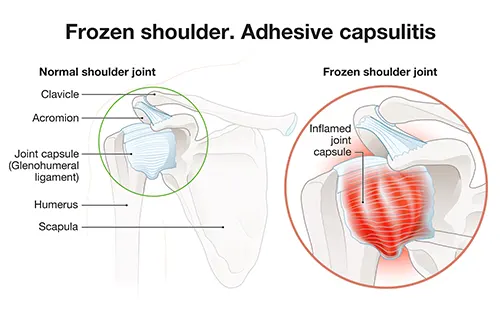
Frozen shoulder, also known as adhesive capsulitis, is a condition that causes pain, stiffness, and a gradual loss of movement in the shoulder joint. It often develops over time and can make everyday activities—such as reaching overhead, getting dressed, or lifting objects—difficult and uncomfortable.
This condition commonly occurs after a shoulder injury, surgery, or a period of limited movement. It is also more common in adults between the ages of 40 and 60 and in individuals with certain health conditions, such as diabetes.
Chiropractic care and acupuncture can be valuable components of a comprehensive treatment plan for managing frozen shoulder. Chiropractic treatment focuses on improving joint mobility, restoring proper movement patterns, and reducing stress on the surrounding muscles and tissues. Gentle adjustments and targeted therapies may help improve shoulder function and support the body's natural healing process.
Acupuncture is another non-invasive approach that may help relieve pain and reduce muscle tension associated with frozen shoulders. By stimulating specific points on the body, acupuncture can encourage circulation, promote relaxation, and help decrease discomfort, making it easier to participate in stretching and rehabilitation exercises that are important for recovery.
When combined with personalized exercises and other conservative treatments, chiropractic care and acupuncture can help improve range of motion, ease pain, and support long-term shoulder health without relying solely on medication.
At Ishitani Health Center, our experienced team is committed to helping patients find effective, individualized solutions for musculoskeletal pain and limited mobility. If shoulder pain or stiffness is interfering with your daily life, we're here to help you explore safe, conservative treatment options that can support your recovery and help you get back to doing what you enjoy.